Why Timing Matters More in Europe Than Almost Anywhere
Europe's climate varies enormously across the continent, and seasonal differences in crowds and prices are more pronounced here than almost anywhere else. The same destination in May and August can feel like two completely different trips. Understanding when to go is one of the most important planning decisions you will make for a European trip, and this guide gives you the tools to make it well.
January and February
January and February are Europe's quietest and cheapest months for travel. Most popular destinations are significantly less crowded, accommodation prices drop by 30 to 50% compared to peak summer, and city attractions are walkable without queues. The trade-off is weather: northern and central Europe is cold, grey, and wet. The best European destinations in winter are in the south and south-west: Lisbon and the Algarve (mild winters, around 15°C, with sunshine), Seville and Málaga in Andalusia, Sicily and Malta (cool but sunny), and the Canary Islands (year-round warmth). Ski resorts in the Alps (Chamonix, Verbier, Zermatt) are at their best in January and February.
March and April
March and April are transitional months and represent excellent value across much of Europe. The worst of winter is over, daylight is increasing, spring flowers are arriving, and prices are still well below peak. Paris in spring is a cliché because it is genuinely wonderful; the city's parks and markets come alive in April. The Netherlands in April and early May sees the tulip fields in bloom — the most spectacular version of the Dutch countryside. Eastern Europe (Prague, Budapest, Krakow, Warsaw) is particularly well-suited to spring travel: mild weather and thin crowds make these cities much easier to navigate than in summer.
May and June
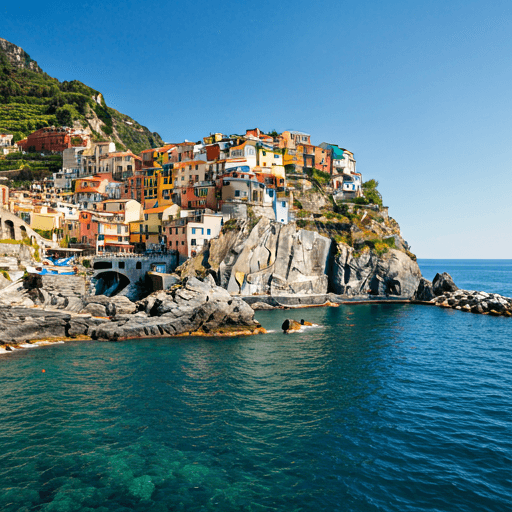
May and June are arguably the best months to visit Europe for most travellers. The weather is warm across most of the continent, the summer crowds have not yet peaked, and prices are still below July and August levels. May is excellent for the Amalfi Coast before the July crush, for Santorini and the Greek islands, for Provence in bloom, and for the Scottish Highlands before the midges peak. June is similarly excellent across Scandinavia and the Nordic countries, where long summer days mean extraordinary light. Book 6 to 8 weeks ahead for good availability.
July and August
July and August are peak European summer — the most expensive and most crowded months. The Mediterranean coast (Spain, Italy, Greece, Croatia) is packed with visitors and prices are at their highest. Heat in southern Europe can be extreme: Seville, Athens, and Rome regularly exceed 38°C, which makes sightseeing on foot genuinely uncomfortable. If you travel in July or August, book everything months in advance and arrive at attractions at opening time. Northern and Scandinavian Europe (Norway, Iceland, Scotland) is actually excellent in summer, with long days and mild temperatures that justify the season.
Reading this for a trip of your own?
Tell Fig where you are in it. Your guide puts what matters at that point first.
September and October
September and October are the second-best months for European travel, and arguably the best for the Mediterranean. The summer crowds thin significantly from mid-September, accommodation prices drop, but the sea is still warm from months of summer heating and the weather remains excellent until late October in Greece, Italy, and Spain. September is ideal for the Amalfi Coast (hot, beautiful, half the July crowds) and the Greek islands (warm sea, clear skies, manageable visitor numbers). October is excellent for city travel across all of Europe, particularly for the autumn leaf colour in central and eastern Europe.
November and December
November is the least-visited month in Europe outside ski resorts and Christmas market cities. If you can tolerate cooler, sometimes wet weather, it offers the best value and fewest crowds of any time of year. The Christmas markets of Germany, Austria, and the Czech Republic (Nuremberg, Vienna, Prague, Cologne, Strasbourg) are one of Europe's great seasonal experiences, running from late November through December. Visit in the first two weeks of December for atmosphere without the weekend crush of the final run before Christmas.
Best European Destinations by Month
January–February: Lisbon, Seville, Canary Islands, Alps ski resorts. March–April: Paris, Amsterdam (tulips), Prague, Budapest, Krakow. May–June: Amalfi Coast, Santorini, Provence, Scottish Highlands, Scandinavia. July–August: Norwegian fjords, Iceland, Scotland, Azores. September–October: Greek islands, Dubrovnik, wine regions (Bordeaux, Tuscany), Bavaria. November–December: Christmas markets (Vienna, Nuremberg, Prague), Edinburgh, Lisbon.
When to Book
For peak season travel (July and August) at popular destinations, book accommodation 4 to 6 months ahead. For shoulder season (May, June, September, October) in popular cities, 6 to 8 weeks is usually sufficient. For off-season (November to March), last-minute availability is often good, but the best small properties still sell out. Flights should be booked 6 to 10 weeks ahead for budget carriers. FigFinder AI builds your complete Europe itinerary in seconds — tell it your travel dates, destinations, and budget, and it generates a full day-by-day plan with accommodation picks and booking links.