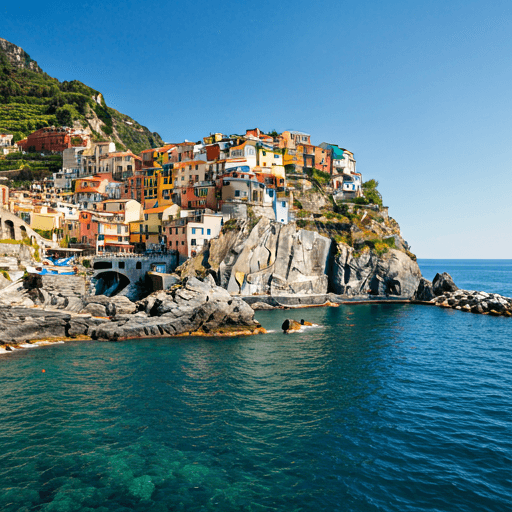
The Expectation Gap: A Very 2026 Problem
Travel disappointment has always existed, but the mechanism that generates it has changed fundamentally in the social media era. In 2026, more travellers than ever arrive at a destination having already seen it hundreds of times — through Instagram posts, TikTok videos, YouTube vlogs, and Pinterest boards — before they have spent a single day there. The expectation formed by this pre-exposure is not necessarily inaccurate, but it is systematically skewed. Every image is selected for its beauty. Every video is edited for its peak moments. Every travel influencer post is the exception, not the norm, of what a day at that location looks like. The result is what social scientists have begun calling the "expectation gap" — the difference between what a destination looks like in curated media and what it actually feels like to be there.
Why Instagram and TikTok Create False Expectations
The fundamental issue is selection bias operating at industrial scale. Instagram and TikTok are architecturally designed to surface the most visually compelling content — the photo with the best light, the most dramatic angle, the fewest people, the most saturated colours. A destination that is objectively beautiful but complicated to experience is represented online by its absolute best moments, curated and selected from thousands of less compelling alternatives. Bali's rice terraces look extraordinary in the sunset drone shots that circulate on social media. They look somewhat different at 10am with seventeen photographers competing for the same shot, in humidity that makes the short walk feel significantly harder than it appeared in the Instagram video. This is not a reason not to go to Bali. It is a reason to adjust your mental model of what the experience will actually be, before you arrive, to include the full reality rather than just its peak representation.
The Queue Behind Every Perfect Photo
The most widely photographed locations in the world — the Taj Mahal at sunrise, the Santorini caldera at sunset, the Trevi Fountain, the Arashiyama Bamboo Grove, the Amalfi Coast road — are all photographed extensively in a specific way: empty, or near-empty, suggesting private access to a serene and uncrowded experience. The reality of visiting any of these locations in 2026 is that achieving the photograph you have seen requires either arriving before most people wake up, standing in a queue for an extended period, waiting for a gap in the crowd to align perfectly with your camera position, or using long-exposure photography and editing to remove other visitors from the frame. None of this is a secret — travel photographers discuss it openly — but the gap between the photograph and the experience it implies is rarely made explicit in the travel content that most people consume. Setting the expectation that extraordinary photographs are the result of extraordinary effort (timing, patience, or skill) makes the visit itself more enjoyable rather than surprising.
Seasonality: What You See vs What You Get
Virtually all travel photography and content is shot in optimal conditions: peak bloom for gardens, clear sky for mountain views, calm seas for coastal destinations, low tourist season for uncrowded streets. The images you see of Kyoto in cherry blossom season, Iceland's Northern Lights, or the lavender fields of Provence represent narrow windows that may or may not coincide with your specific travel dates. Arriving in Kyoto in mid-April to find that the blossom peaked and fell two weeks before your visit — which happened in 2024 due to climate-related calendar shift — is an experience that no amount of travel content preparation can entirely prevent, because blossom dates vary significantly by year. The practical response to seasonality disappointment is to research the specific timing of the feature you want to see, understand that it is probabilistic rather than guaranteed, and build your expectations around what the destination offers across the range of conditions, not just its peak-optimised version.
The Editing Problem: How Locations Are Transformed
The degree of post-production applied to travel photography has escalated dramatically alongside the accessibility of professional editing tools on smartphones. A beach that is photographed in overcast conditions, edited with increased saturation, adjusted white balance, and enhanced foreground detail can appear in the final image to have brilliantly blue water and clear skies. A narrow alley lit by a single lantern and edited with contrast and warmth curves can look like a fairy tale setting that in normal daylight is perfectly pleasant but unremarkable. This is not deception in any criminal sense — photography has always involved editorial judgment about lighting and framing — but the scale at which images are now edited and the tools available to non-professional photographers have created a systematic gap between photographed reality and experienced reality. When a beach looks exactly the same in the edited image as it would in real life, you know it is genuinely spectacular. When it looks suspiciously more blue, empty, and golden than any beach you have visited before, apply appropriate scepticism.
Ready to plan your trip?
Build your personalised travel guide with booking options on trusted platforms. Free to plan.
The Hotel Room That Looked Bigger Online
Accommodation photography is the most systematically misleading category of travel imagery, and it operates through a specific and well-understood technique: wide-angle lens photography, often shot with a focal length that compresses and widens the apparent space of a room, combined with careful staging that removes personal belongings, adds flowers and towels artfully folded, and adjusts lighting to maximise perceived warmth and spaciousness. A room that appears to be 40 square metres in the booking.com photographs may be a tight 18 square metres in reality. The practical defence against accommodation disappointment is to read the room size listed in the hotel specifications (reputable booking platforms list this, usually in the room details section), consult recent guest reviews specifically mentioning room size, and look for video walkthroughs of specific room types on YouTube, which give a more accurate spatial impression than still photography. A secondary check: if the hotel photography looks dramatically different from the property's position in its price bracket and neighbourhood, that discrepancy usually means the images are working unusually hard to misrepresent.
How Timing Changes Everything
One of the most powerful tools for closing the gap between online expectation and real experience is deliberately choosing visit timing that most travel content ignores. The best version of most famous destinations is experienced at times when neither photographers nor most tourists are present. Dawn at the Colosseum. The Marrakech medina on a weekday morning before 9am. The Cinque Terre villages in October rather than August. The Angkor Wat temple complex at the end of the monsoon season, when the crowds have thinned and the vegetation is impossibly green. Timing decisions that take you away from peak-photographer hours often simultaneously take you away from peak-crowd hours, creating experiences that feel more like the quiet beauty suggested by the best travel images while being grounded in the genuine, unmediated reality of being in a place. FigFinder builds timing recommendations into every itinerary — not just what to see, but when to see it for the best version of the experience.
How to Set Realistic Expectations Without Losing the Magic
The goal is not cynicism about travel — it is calibrated expectation. The Taj Mahal is one of the most extraordinary human structures ever built, and seeing it in person is genuinely moving in a way that photographs do not capture. But it is also visited by 70,000 people per day in peak season, surrounded by a significant amount of commercial activity, and requires planning around its opening hours and the specific lighting conditions that make early morning the ideal visit time. The Venice canals are as beautiful as they appear in every photograph — and also crowded with other tourists in peak season, occasionally smelly in warm weather, and navigating the narrow streets with luggage is a physical undertaking that the dreamy gondola images do not reference. Knowing both things — the genuine extraordinary beauty and the practical reality — makes the experience of being there richer rather than poorer. You see what is actually there rather than hunting for the image you already saw.
Planning to Avoid Disappointment
The most reliable antidote to travel disappointment is planning that is grounded in reality rather than aspiration. Read recent trip reports and reviews (particularly the one and two star reviews, which are disproportionately honest) for specific attractions and accommodation. Check what the destination looks like at the time of year you are visiting, not just at peak-photo-opportunity time. Use FigFinder to build an itinerary that includes the timing recommendations that close the gap between the best version of a place and the average experience of visiting it — specifically when to go to which sites, how long to allocate (too little time creates disappointment through rushing; too much creates boredom), and which experiences are genuinely distinctive versus which have been superseded by better alternatives. Every FigFinder guide is built around the realistic traveller experience rather than the optimised content creator visit. The places it recommends are places where the gap between expectation and reality consistently narrows, rather than widens. Start planning at figfinder.ai.